Turning breakthrough Co2 protein technology into everyday food
The challenge
What if we could produce protein from CO₂ – without relying on agricultural land?
The international Acetate to Food project is exploring exactly that possibility. Funded by the Novo Nordisk Foundation and the Gates Foundation, the project brings together leading researchers and companies including Orkla Foods, Topsoe, Novonesis, Spora, Aarhus University, University of Copenhagen and Northwestern University.
The ambition is significant: to develop a new protein source with the potential to eventually produce enough protein for more than one billion people, while making food production less dependent on agricultural land.
But developing the technology is only part of the challenge.
For a new protein source to make a real difference, it needs to find its place in foods that people actually want to eat.
As strategic advisors to Orkla Foods, CPH Strategy was brought in to explore where this new protein source holds the greatest consumer and commercial potential – across food categories, target groups, needs and eating occasions.
The approach
We built a comprehensive insight foundation to ensure that the innovation work was grounded in market reality, expert knowledge and real consumer needs.
The process combined several layers of research: trend and category analysis across health, food and protein-enriched products; retail safaris in London and Copenhagen; expert interviews with leading voices in nutrition, food innovation, consumer trends and future food; and 12 qualitative focus groups across Denmark and the UK.
The research covered six strategically important consumer segments: young people, sports and fitness enthusiasts, families with children, people using weight-loss medication, older consumers and vegans.
One thing became clear: protein means very different things to different people.
For some, it is about performance and strength. For others, it is about satiety, health or maintaining muscle mass. Some actively seek out protein, while others simply want food that tastes good and fits naturally into everyday life.
Interestingly, while needs and perceptions differed significantly between target groups, we found strong similarities within the same target groups across Denmark and the UK.
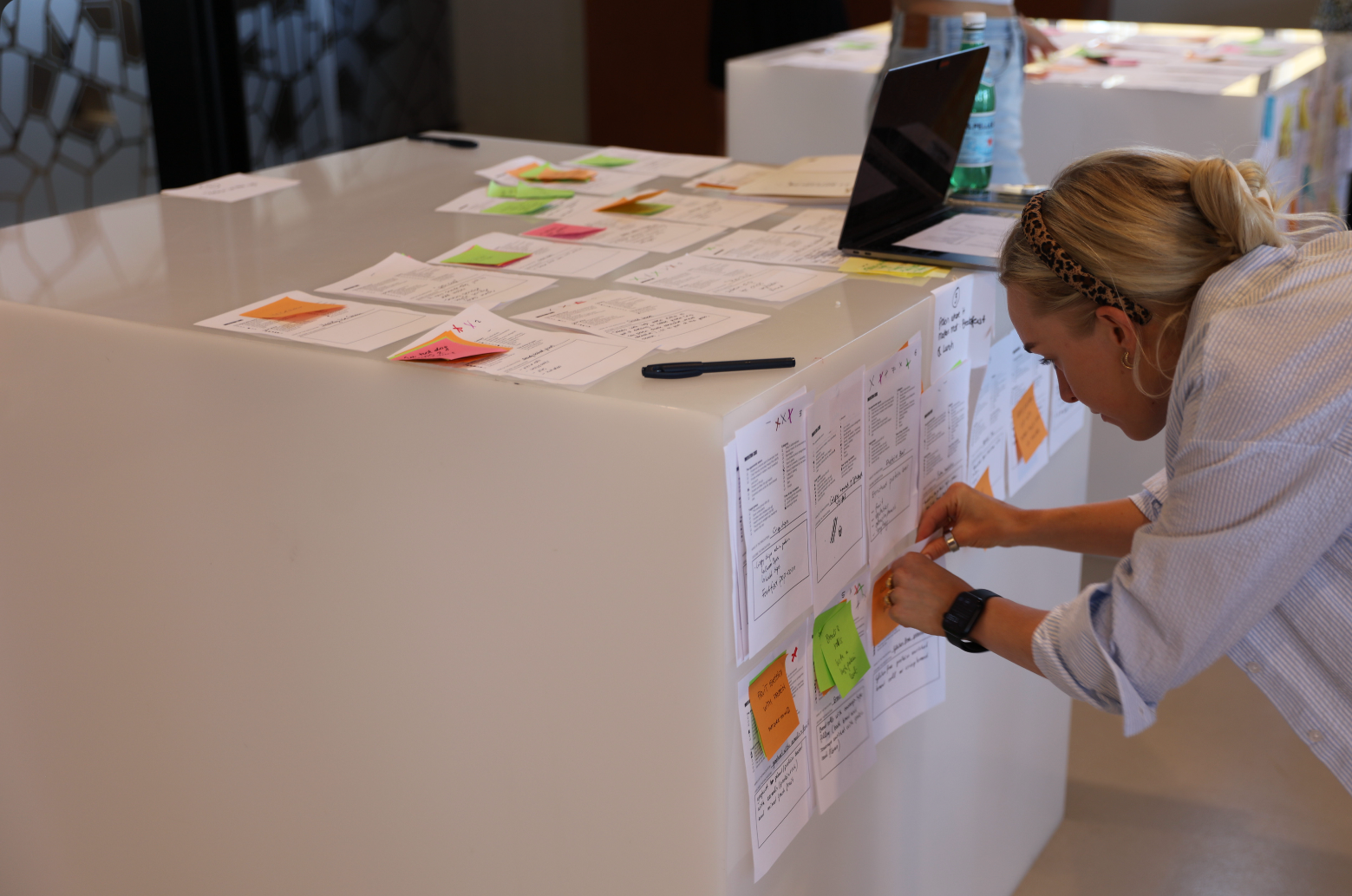
We consolidated the insights and data into a set of clear strategic opportunity spaces, identifying where category, consumer need and eating occasion come together to create the greatest potential.
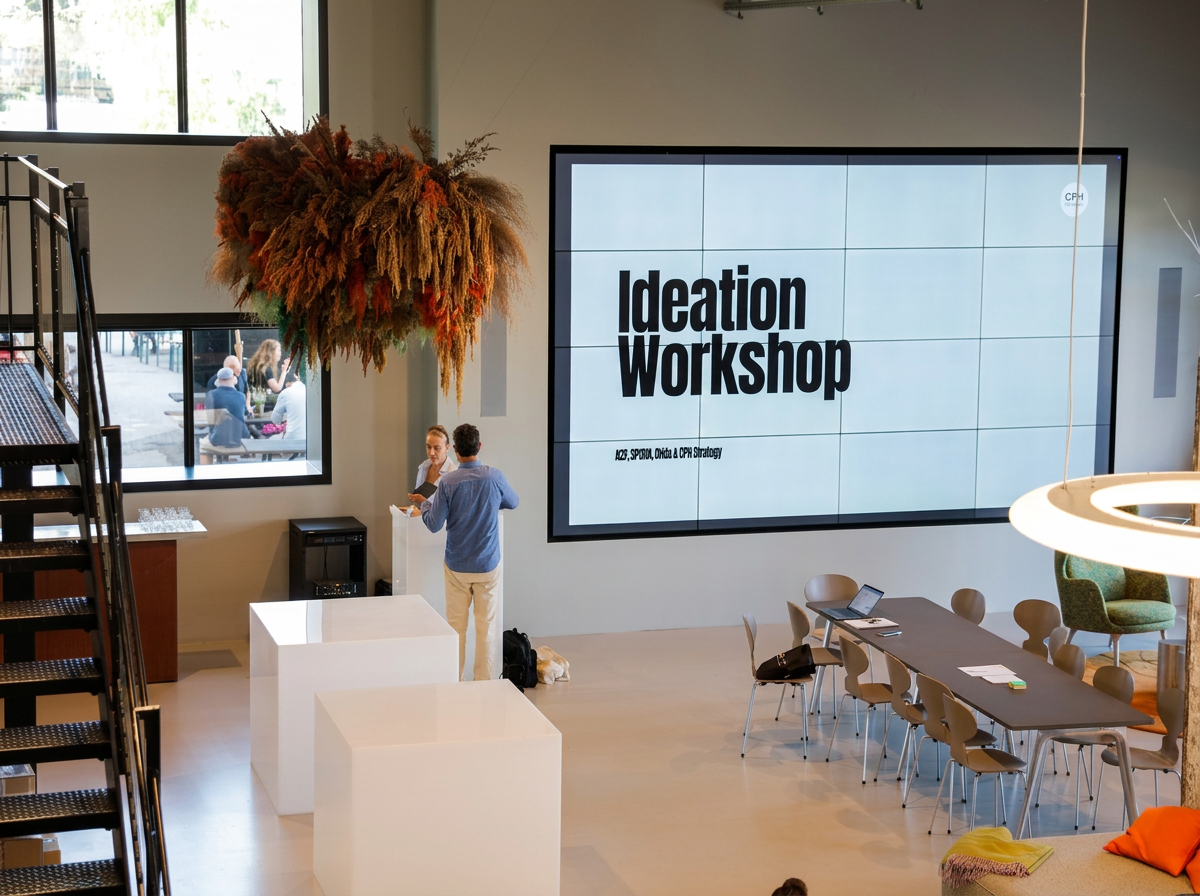
These opportunity spaces became the starting point for innovation workshops bringing together specialists from Orkla Foods with chefs and food scientists from Spora – Rasmus Munk’s food innovation centre – to translate the most promising opportunities into concrete food concepts.
The result
The project provided Orkla Foods with a clear strategic foundation for understanding where and how a completely new protein source can create meaningful consumer value.
Rather than starting with what the technology can technically do, we started with people: their needs, behaviours, perceptions and everyday eating occasions.
This made it possible to move from a broad technological opportunity to prioritised opportunity spaces and concrete food concepts with the potential to fit naturally into people’s lives.
Because when breakthrough technology opens up entirely new possibilities, human understanding helps identify where the greatest potential lies.
For CPH Strategy, this is exactly where insights, strategy and innovation come together: turning complex knowledge and emerging technologies into opportunities that make sense for businesses – and for the people they ultimately serve.
Read more about the A2F technology and consortium here: https://ingenioer.au.dk/en/current/news/view/artikel/food-innovation-without-agriculture-from-co2-to-climate-friendly-food
See the video from Novo Nordisk Foundation here: https://vimeo.com/835344896